
Topkapı Palace
The sultans’ palace on Sarayburnu: courtyards, the Imperial Council, the treasury and the terraces over the water. Dated entry, sold online on its own site.
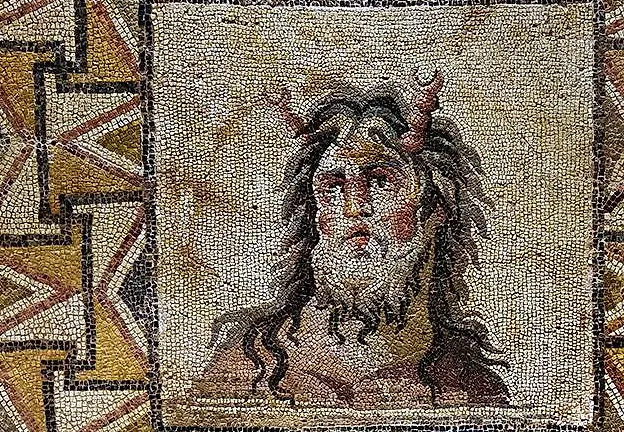
Türkiye's great mosaic museum in Antakya, with thousands of square metres of Roman floors from ancient Antioch, plus Hittite, Hellenistic and Byzantine finds and a superb coin collection.
On September 30, 2026 the Ministry’s listing showed this museum as closed to visitors. Check the official page before planning a visit.
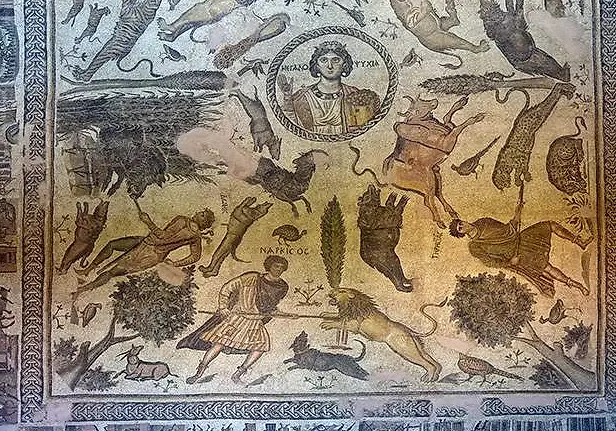
The Hatay Archaeological Museum has been in its purpose-built home since 2014, and it is best known for one thing: mosaics. The floors on show cover about 3,250 square metres, making it one of the largest mosaic displays anywhere, and the fine detail, coloured stones, scale and quality place it among the world's most important mosaic museums.
Much of that collection came to light in the 1930s, when Princeton University led excavations at Antioch. Part of it ended up in some twenty museums and private collections around the world, which makes what remains in Antakya all the more valuable. Among the most striking pieces are the Abandoned Ariadne, the Satyr and Hermaphroditus, the Seasons, the Birth of Venus, Artemis and the Skeleton mosaics.
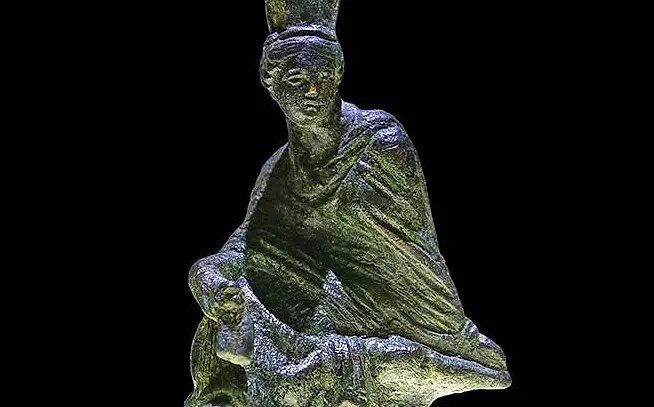
Beyond mosaics the museum follows the whole of Hatay's story, from the Palaeolithic and Neolithic through the Bronze Age, Hittites, Hellenistic and Roman periods to the Byzantine, Seljuk and Ottoman eras. Finds come from Antakya itself and from Iskenderun, Daphne, Tell Atçana, Tell Tayinat and Samandağ. Look for the statue of Suppiluliuma, the Tyche statue, the Antakya sarcophagus and a wide coin collection struck at the Antioch mint.
According to the Ministry’s listing it opens at 08:30 and closes at 17:00 (last entry 16:30). Open every day.
No. This site sells no tickets. Topkapı Palace, the Basilica Cistern, Hagia Sophia and Dolmabahçe Palace are sold on our sister sites; for Hatay Archaeological Museum, buy at the ticket office or on the Ministry’s official e-ticket system.
Hatay Archaeological Museum is in Hatay, Türkiye — Maşuklu Mahallesi Atatürk Caddesi Antakya.
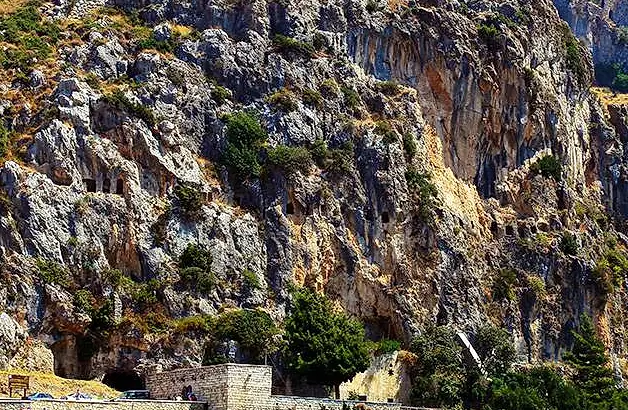
The cave church near Antakya traditionally held to be the first in the world, where the name Christian was first used and popes have marked a place of pilgrimage.
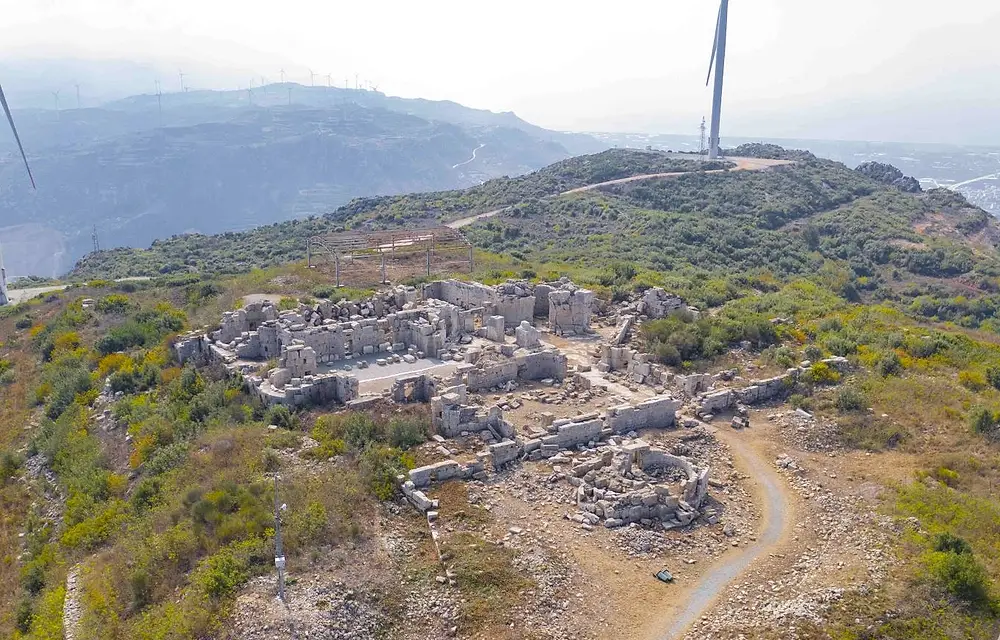
A 6th-century hilltop monastery near Antakya, built around the column where Simeon the Younger lived for decades, with three churches and a cross-shaped plan.
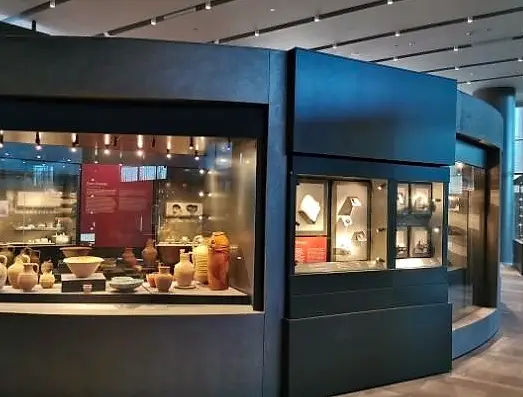
A museum built directly over excavated layers of ancient Antioch in Antakya, preserving Roman floor mosaics where they were found, including one of the largest ever recorded.
Four Istanbul landmarks, each sold on its own site by the agency behind this guide — dated entry and free cancellation up to 24 hours.
The sultans’ palace on Sarayburnu: courtyards, the Imperial Council, the treasury and the terraces over the water. Dated entry, sold online on its own site.
Justinian’s great underground reservoir: 336 columns in still water and the two Medusa heads. Fast-track entry with a digital audio guide.
Justinian’s cathedral, the sultans’ mosque and a working mosque again today. The ticket admits you to the upper visitor gallery.
A nineteenth-century palace on the water’s edge: the Selamlık, the Ceremonial Hall under its chandelier, the crystal staircase and the Harem.


