
Topkapı Palace
The sultans’ palace on Sarayburnu: courtyards, the Imperial Council, the treasury and the terraces over the water. Dated entry, sold online on its own site.
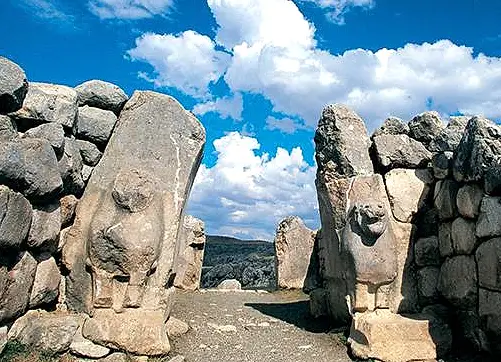
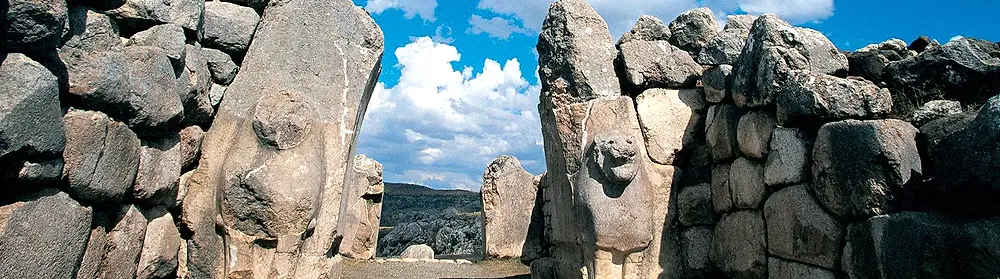
The Hittite capital in the hills of central Anatolia: massive walls, ceremonial gates and temple foundations of a Bronze Age empire, a UNESCO World Heritage Site near Çorum.
Hattusha, today known by the name of the nearby village of Boğazköy, was the capital of the Hittite Empire. It sits on steep, rocky slopes above the Budaközü valley, roughly 80 km south-west of Çorum, in what was the heartland of the Hittite state. Everything here is built on a grand scale: a circuit of defensive walls climbs and drops over the hillsides, and the city opens only to the north.
The site was first described for the outside world by the traveller Charles Texier in 1834. For decades people did not realise whose city it was, until scholars linked the ruins to the Hittites, who had been thought to be centred in Syria. German archaeologists began systematic digs in the 1930s and the work continues today. The story on the ground stretches from a small early settlement and an Assyrian trading quarter to the Hittite capital of the 17th century BC onward, its collapse around 1190 BC, and later Phrygian occupation.
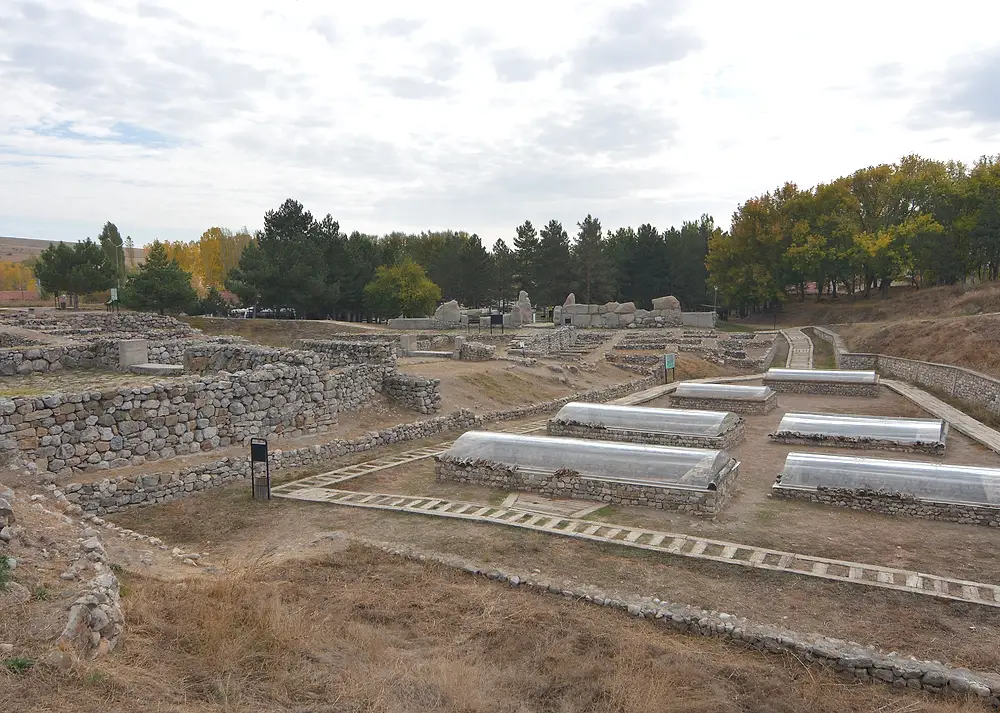
Plan a slow visit. The gates, temples, palace terraces and the rock sanctuary nearby make the site large enough for several hours of walking, and the open landscape gives a sense of how imposing the capital must have been.
According to the Ministry’s listing it opens at 08:00 and closes at 18:30 (last entry 18:15). Open every day.
No. This site sells no tickets. Topkapı Palace, the Basilica Cistern, Hagia Sophia and Dolmabahçe Palace are sold on our sister sites; for Boğazköy-Hattusha Archaeological Site, buy at the ticket office or on the Ministry’s official e-ticket system.
Boğazköy-Hattusha Archaeological Site is in Çorum, Türkiye — Boğazkale.
A Bronze Age and Hittite religious centre in Çorum, with the famous Sphinx Gate, royal tomb finds and a museum on site.
A compact museum where Hittite finds from Boğazköy and Alacahöyük sit beside the region's folk crafts, with a garden full of carved stone.
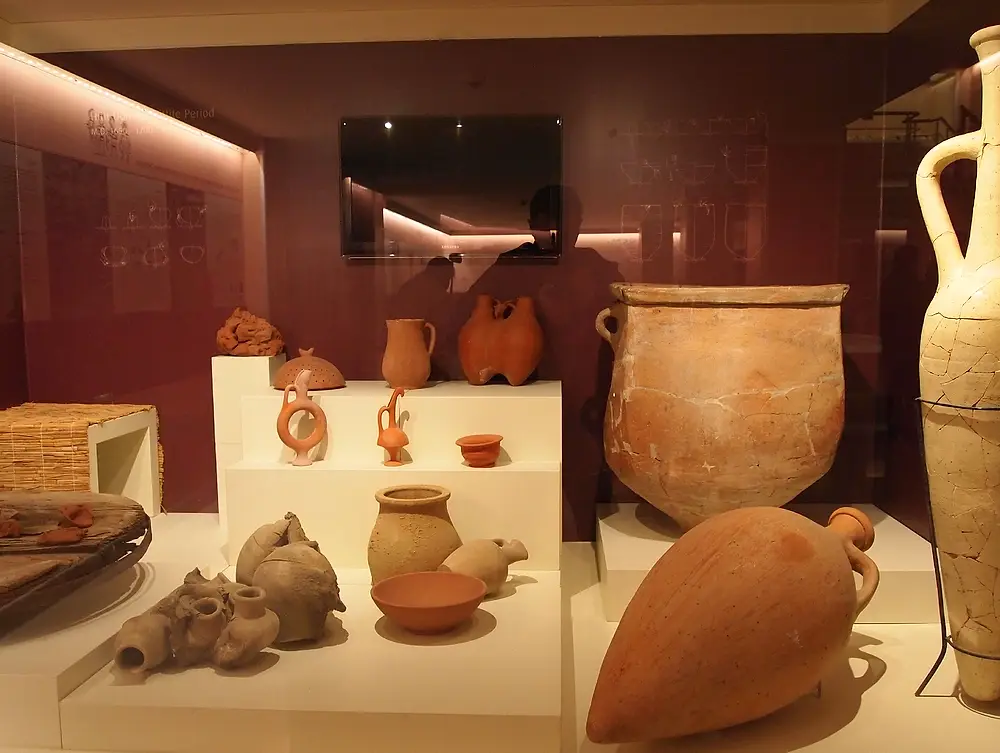
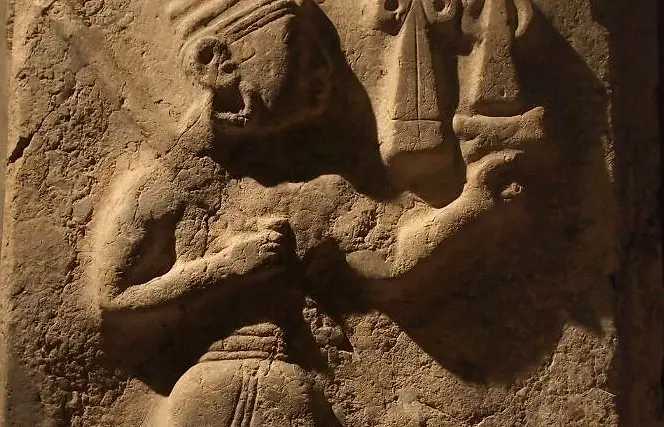
The museum of the Hittite capital: finds from Hattusha from the Chalcolithic to Byzantine times, including the two Boğazköy sphinxes reunited after a century apart.
Four Istanbul landmarks, each sold on its own site by the agency behind this guide — dated entry and free cancellation up to 24 hours.
The sultans’ palace on Sarayburnu: courtyards, the Imperial Council, the treasury and the terraces over the water. Dated entry, sold online on its own site.
Justinian’s great underground reservoir: 336 columns in still water and the two Medusa heads. Fast-track entry with a digital audio guide.
Justinian’s cathedral, the sultans’ mosque and a working mosque again today. The ticket admits you to the upper visitor gallery.
A nineteenth-century palace on the water’s edge: the Selamlık, the Ceremonial Hall under its chandelier, the crystal staircase and the Harem.


