
Topkapı Palace
The sultans’ palace on Sarayburnu: courtyards, the Imperial Council, the treasury and the terraces over the water. Dated entry, sold online on its own site.
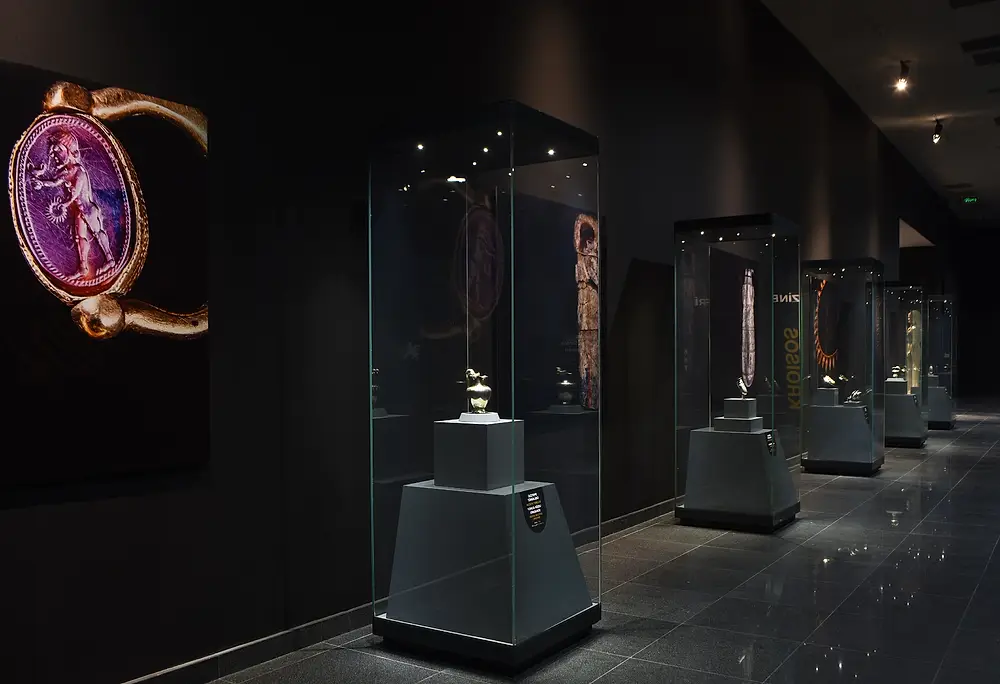
Home of the Karun Treasure, Lydian gold and silver smuggled abroad in the 1960s and returned in 1993, in a modern museum with 42,000 objects.
Uşak Museum first opened on 23 May 1970, and after serving in its original building for 48 years it moved in 2018 into a new facility in the train station area. It holds around 42,000 objects, from the Palaeolithic through the Bronze Age, Phrygian, Lydian, Hellenistic, Roman and Eastern Roman periods.
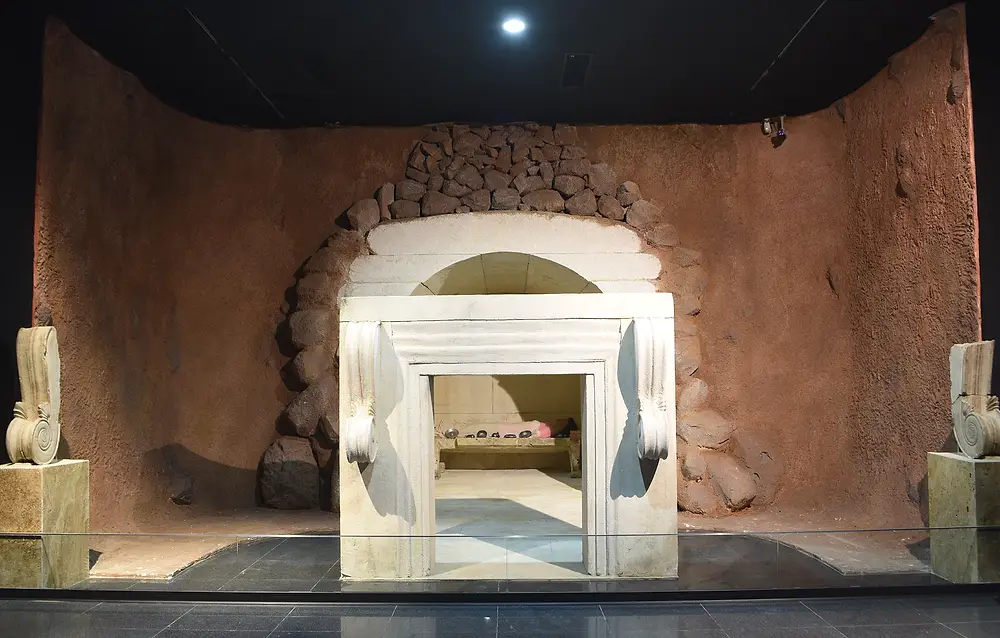
The star attraction is the Karun Treasure, gold and silver from Lydian burial mounds near Güre, west of Uşak. It was looted and smuggled abroad in the 1960s, and after a legal case brought by the culture ministry it came back in 1993. Exhibited on the second floor, it is divided into two sections. The first includes finds from the Basmacı, Toptepe and Aktepe tumuli, with the rare winged seahorse brooch at the far end; that piece was brought from Germany and shown in its homeland. The second part features reconstructions of the İkiztepe and Harta tumuli and scenes of Lydian trade, weaving, pottery and mould-making.
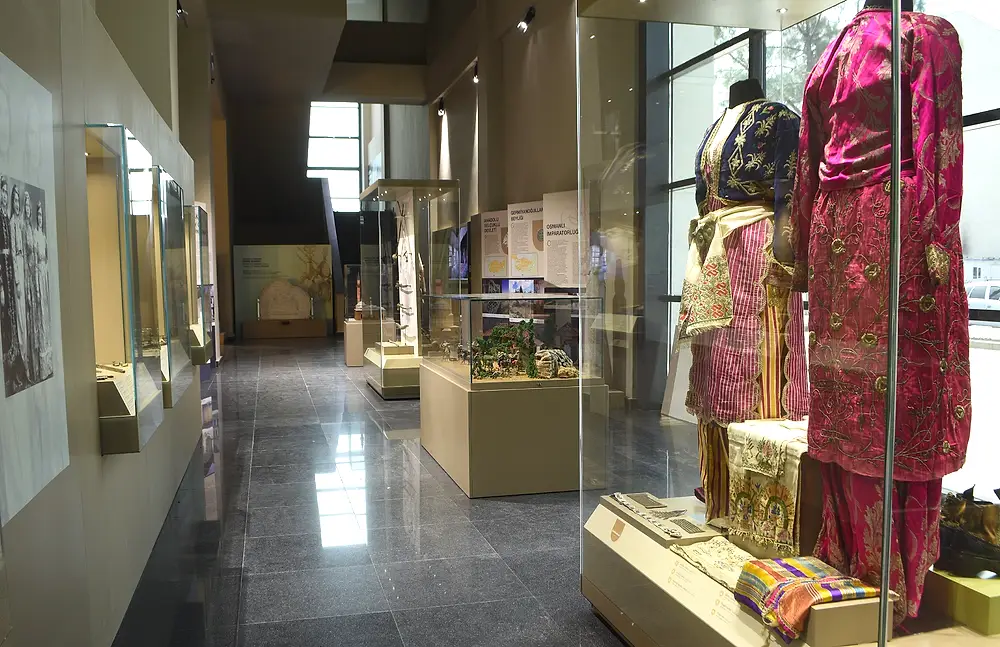
Elsewhere, chronological showcases display idols, beak-mouthed jugs, terracotta, oil lamps and glass, and a sculpture section shows Roman-period portraits of officials and athletes found in Uşak. Because Lydia is where coinage began, the mezzanine covers coins and hoards with animations about minting and money. There is also an ethnography section on local clothing and weapons, a children's education area and a library.
According to the Ministry’s listing it opens at 09:00 and closes at 17:00 (last entry 16:30). Closed: Monday.
No. This site sells no tickets. Topkapı Palace, the Basilica Cistern, Hagia Sophia and Dolmabahçe Palace are sold on our sister sites; for Uşak Museum, buy at the ticket office or on the Ministry’s official e-ticket system.
Uşak Museum is in Uşak, Türkiye — Kurtuluş Mahallesi.Doğan Sokak No:1.
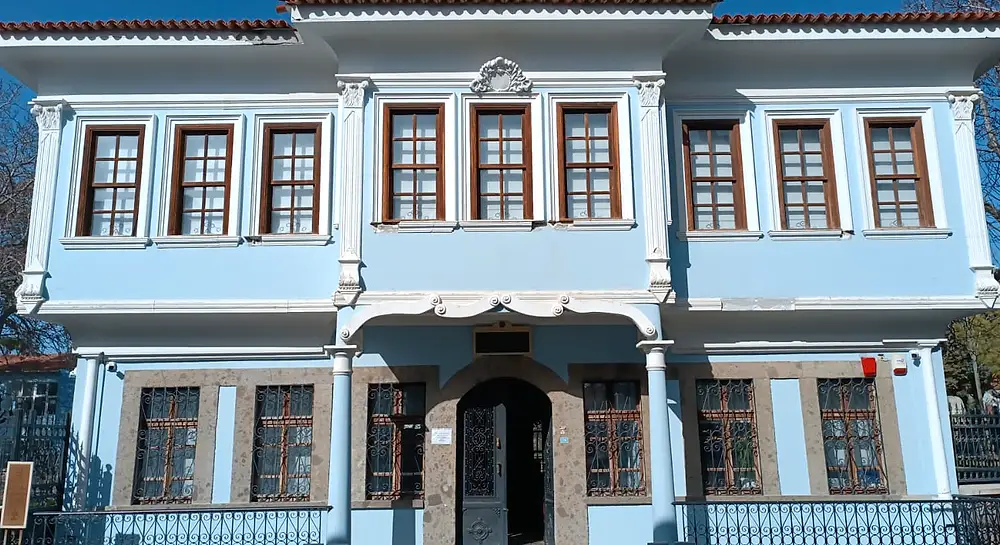
A wooden mansion in Uşak that served as a War of Independence headquarters, now showing local ethnography downstairs and Atatürk's rooms and belongings upstairs.
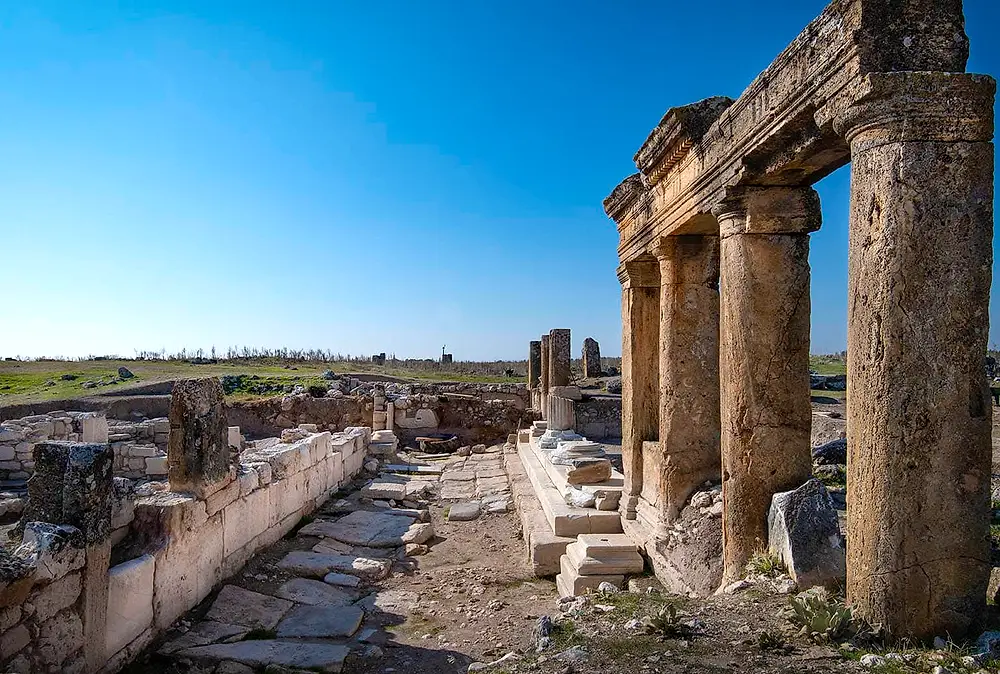
A Hellenistic and Roman city on a cliff-bound peninsula near Uşak, with a stadium, theatre, temples, a monumental gate and rock tombs above a deep canyon.
Four Istanbul landmarks, each sold on its own site by the agency behind this guide — dated entry and free cancellation up to 24 hours.
The sultans’ palace on Sarayburnu: courtyards, the Imperial Council, the treasury and the terraces over the water. Dated entry, sold online on its own site.
Justinian’s great underground reservoir: 336 columns in still water and the two Medusa heads. Fast-track entry with a digital audio guide.
Justinian’s cathedral, the sultans’ mosque and a working mosque again today. The ticket admits you to the upper visitor gallery.
A nineteenth-century palace on the water’s edge: the Selamlık, the Ceremonial Hall under its chandelier, the crystal staircase and the Harem.


