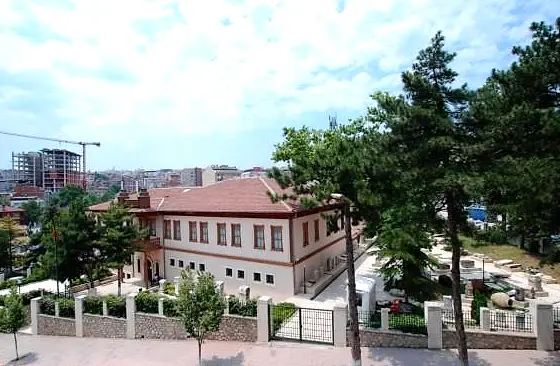

Topkapı Palace
The sultans’ palace on Sarayburnu: courtyards, the Imperial Council, the treasury and the terraces over the water. Dated entry, sold online on its own site.
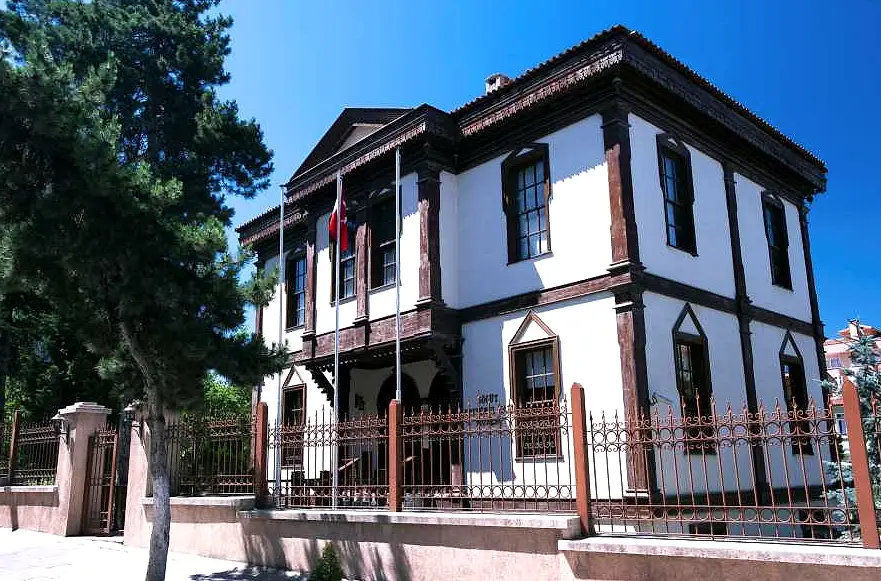
A small ethnographic museum in Söğüt, the birthplace of the Ottoman state, showing clothing, carpets, saddles, weapons and everyday tools of the local past.
Söğüt is a modest town, but it is where the story of the Ottoman state begins, and its museum reflects that setting. The collection started in 1973 as a set of ethnographic pieces gathered from villages around Söğüt, Bilecik and Eskişehir. It was first kept in the store of the Eskişehir Archaeological Museum, then brought to Söğüt, where the museum opened in 1981 in a building opposite the Ertuğrul Gazi Tomb. It moved to its present building in 2001.
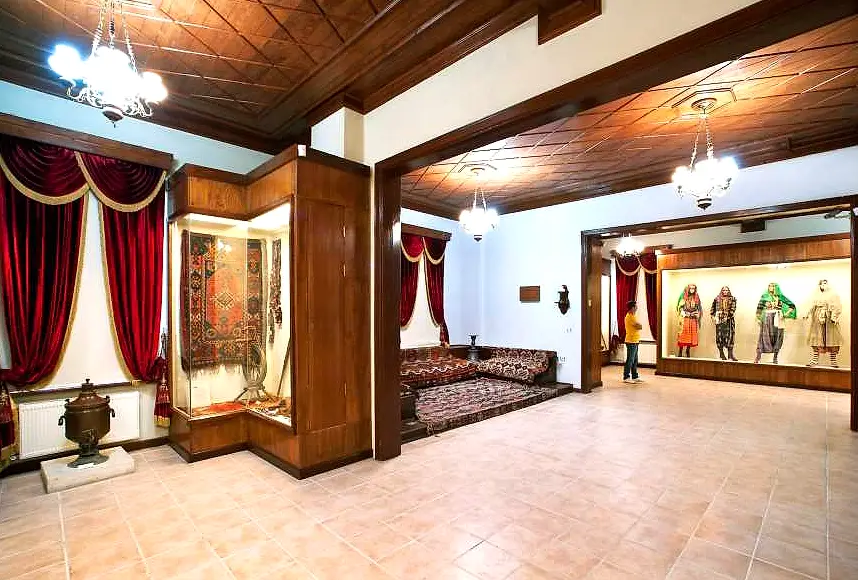
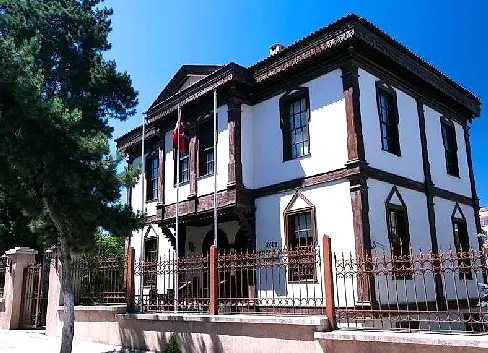
That building is a three-storey historic structure with fine woodwork, and it has served several public purposes over the years. The exhibition on the top floor shows how people lived in Söğüt and the wider Bilecik region: clothing, woven goods such as carpets, rugs and saddles, weapons, weighing instruments and a range of everyday objects.
It is not a large museum, but it puts faces and hands to a period that is usually told through battles and dynasties. Pair it with the tomb and the other sites of the town for a fuller picture.
According to the Ministry’s listing it opens at 08:30 and closes at 17:30 (last entry 17:00). Closed: Monday.
No. This site sells no tickets. Topkapı Palace, the Basilica Cistern, Hagia Sophia and Dolmabahçe Palace are sold on our sister sites; for Söğüt Ertuğrul Gazi Museum, buy at the ticket office or on the Ministry’s official e-ticket system.
Söğüt Ertuğrul Gazi Museum is in Bilecik, Türkiye — Kayhan Mahallesi Ertuğrulgazi Caddesi No 15.
Four Istanbul landmarks, each sold on its own site by the agency behind this guide — dated entry and free cancellation up to 24 hours.
The sultans’ palace on Sarayburnu: courtyards, the Imperial Council, the treasury and the terraces over the water. Dated entry, sold online on its own site.
Justinian’s great underground reservoir: 336 columns in still water and the two Medusa heads. Fast-track entry with a digital audio guide.
Justinian’s cathedral, the sultans’ mosque and a working mosque again today. The ticket admits you to the upper visitor gallery.
A nineteenth-century palace on the water’s edge: the Selamlık, the Ceremonial Hall under its chandelier, the crystal staircase and the Harem.


