
Topkapı Palace
The sultans’ palace on Sarayburnu: courtyards, the Imperial Council, the treasury and the terraces over the water. Dated entry, sold online on its own site.
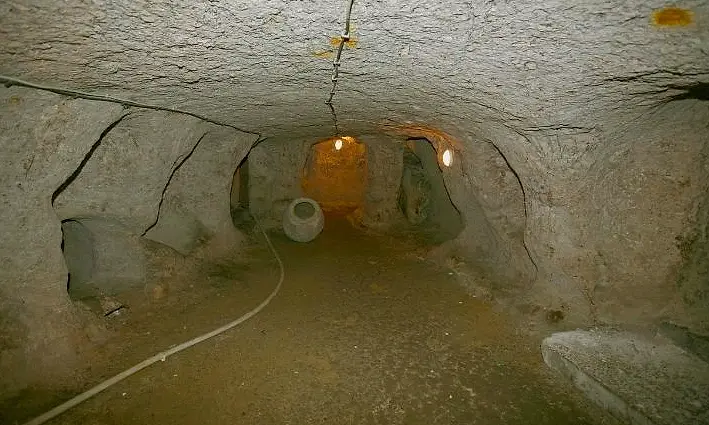
A rock-cut underground refuge in the town of Mucur, Kırşehir, on two levels, with 42 rooms, low corridors and rolling-stone doors. Currently listed as closed.
On September 30, 2026 the Ministry’s listing showed this museum as closed to visitors. Check the official page before planning a visit.
Mucur Underground City lies in the centre of Mucur, a town 20 km from Kırşehir, on the road between Ankara and Kayseri. It is run as an archaeological site under Kırşehir Museum and was registered in 1989 as a first-degree protected archaeological site.
Underground cities like this are generally thought to have been made by Christians in the 3rd-4th centuries to hide from pagan emperors. They were also used in the Middle Byzantine period, in the 8th-9th centuries, to escape Arab raids. This one was cut into volcanic tuff on two levels, with rooms and halls joined by corridors, and chimneys for ventilation.
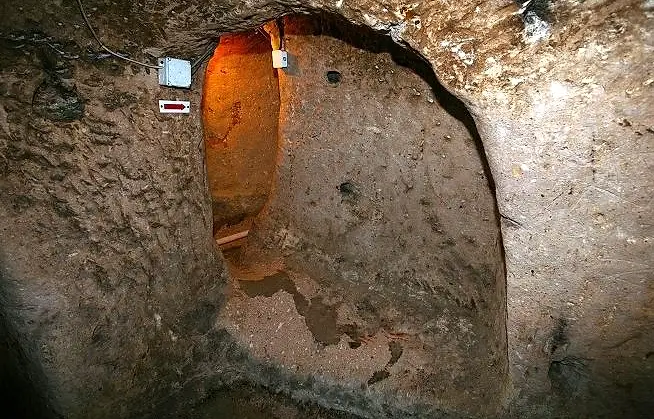
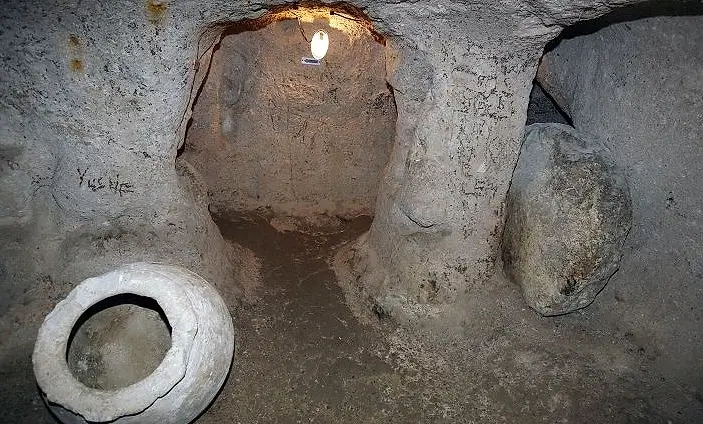
Forty-two rooms are open to visitors. Almost every room has large storage and water jars sunk into the floor, plus wells and niches; one circular room has so many niches that it may have served as a small place of worship. The corridors are narrow and low, about a metre and a half high and half a metre to a metre wide, probably to slow attackers. Round stones blocked entrances, and five chimneys still bring air from the surface.
According to the Ministry’s listing it opens at 08:00 and closes at 17:00 (last entry 16:30). Open every day.
No. This site sells no tickets. Topkapı Palace, the Basilica Cistern, Hagia Sophia and Dolmabahçe Palace are sold on our sister sites; for Mucur Underground City, buy at the ticket office or on the Ministry’s official e-ticket system.
Mucur Underground City is in Kırşehir, Türkiye — Mucur.
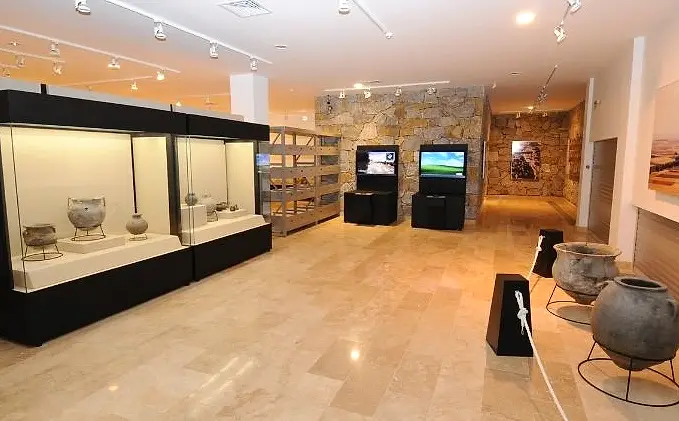
A grass-covered museum in Kırşehir built with Japanese support beside the Kalehöyük dig, with a Japanese garden and multimedia displays of about 5,000 finds.
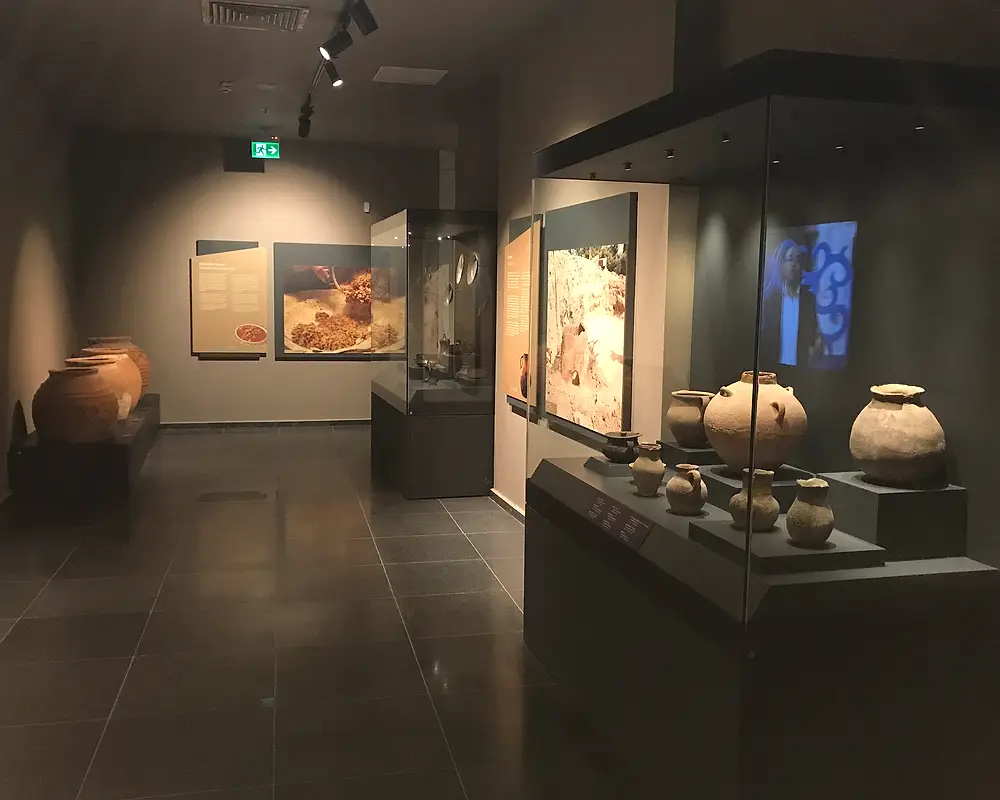
A large museum in Kırşehir with around 9,500 objects, from 8-million-year-old fossils to the world of the folk poet and musician Neşet Ertaş.
Four Istanbul landmarks, each sold on its own site by the agency behind this guide — dated entry and free cancellation up to 24 hours.
The sultans’ palace on Sarayburnu: courtyards, the Imperial Council, the treasury and the terraces over the water. Dated entry, sold online on its own site.
Justinian’s great underground reservoir: 336 columns in still water and the two Medusa heads. Fast-track entry with a digital audio guide.
Justinian’s cathedral, the sultans’ mosque and a working mosque again today. The ticket admits you to the upper visitor gallery.
A nineteenth-century palace on the water’s edge: the Selamlık, the Ceremonial Hall under its chandelier, the crystal staircase and the Harem.


