
Topkapı Palace
The sultans’ palace on Sarayburnu: courtyards, the Imperial Council, the treasury and the terraces over the water. Dated entry, sold online on its own site.
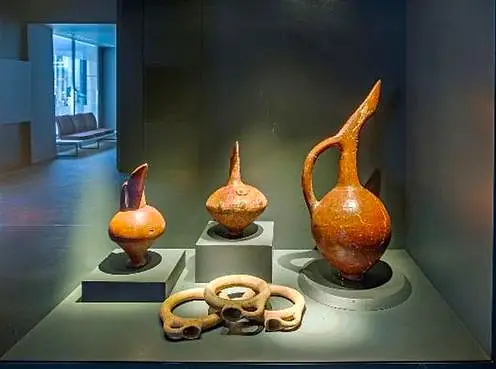
Kayseri's main archaeological museum, in a 1969 building, with a collection shaped by the digs at Kültepe (Kaniş), the ancient Assyrian trading colony nearby.
Museum-keeping in Kayseri began modestly. When Osman Hamdi Bey asked the provinces to send the most important portable antiquities to Istanbul and gather the rest in secure schools, finds from around Kayseri ended up in a single room of the city's high school. A visit by the Minister of Education in 1928 led to the idea of a proper museum.
The Hunat Hatun Madrasah was repaired to house it, and the museum opened on 1 March 1930, working as a storehouse museum until 1937. After the objects were sorted chronologically, it welcomed the public in 1938.
Everything changed in 1948, when Prof. Tahsin Özgüç began systematic excavations at Kültepe-Kaniş, about 22 km to the north-east. The flow of finds, plus purchases and donations, outgrew the old premises, so a new building was started in 1965 and opened on 26 June 1969. That is the museum you visit today, and the Kültepe material is the reason to come.
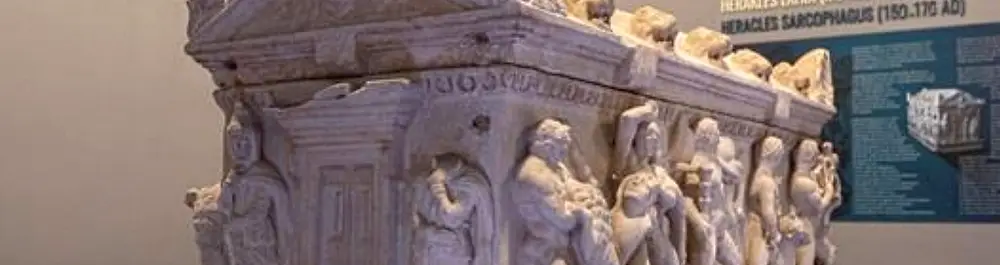
According to the Ministry’s listing it opens at 08:30 and closes at 17:30 (last entry 17:15). Open every day.
No. This site sells no tickets. Topkapı Palace, the Basilica Cistern, Hagia Sophia and Dolmabahçe Palace are sold on our sister sites; for Kayseri Archaeological Museum, buy at the ticket office or on the Ministry’s official e-ticket system.
Kayseri Archaeological Museum is in Kayseri, Türkiye — Kayseri Kalesi içi Cumhuriyet Meydanı, Kazancılar Caddesi no:2 Melikgazi/Kayseri.
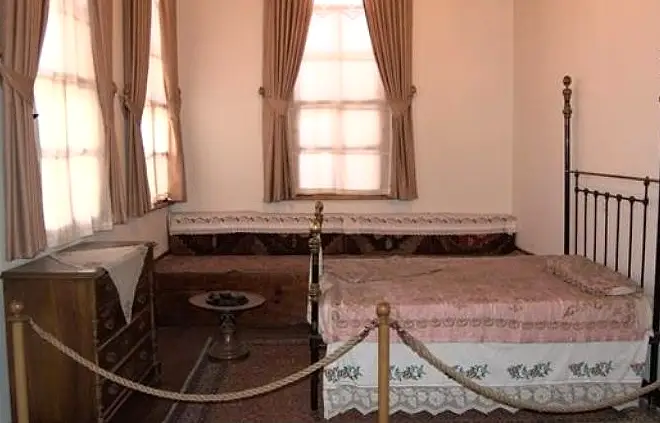
A 19th-century Ottoman mansion in Kayseri where Mustafa Kemal Atatürk stayed for two nights in December 1919, now a small museum about that visit.
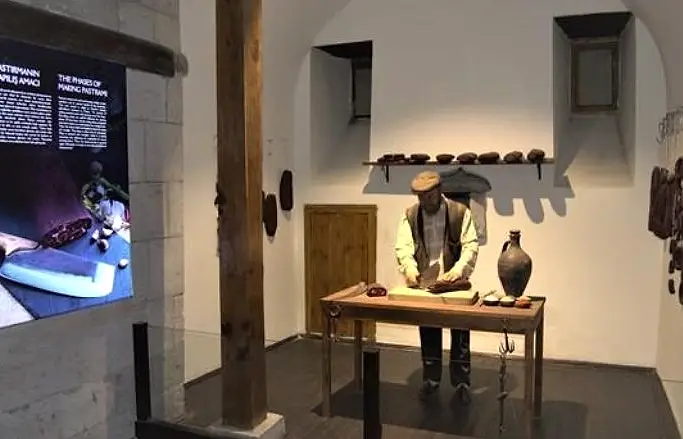
Kayseri's oldest surviving house, parts dating to 1419-1497, split into a selamlık ethnography museum and a haremlik furnished as a period home. Closed for renovation.
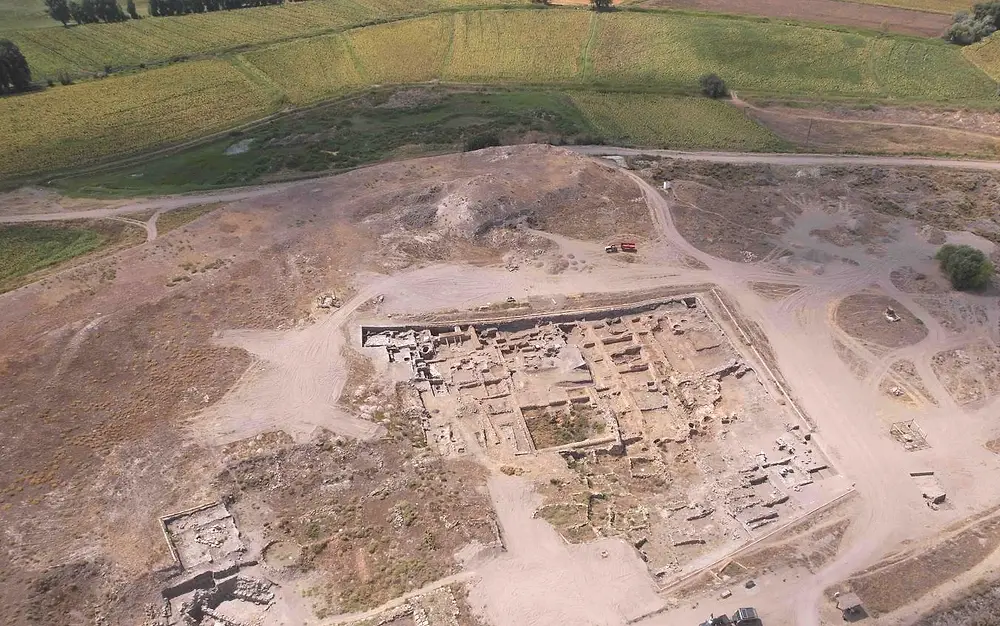
The ancient city of Kaniş near Kayseri, capital of a Bronze Age kingdom and hub of the Assyrian trade colonies, where cuneiform tablets reveal early merchant life.
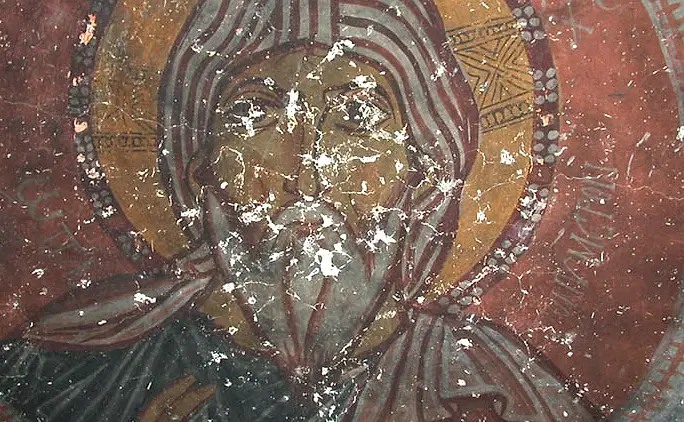
A quiet Cappadocian valley near Yeşilhisar where rock-cut churches, pigeon houses and fairy chimneys sit among village houses.
Four Istanbul landmarks, each sold on its own site by the agency behind this guide — dated entry and free cancellation up to 24 hours.
The sultans’ palace on Sarayburnu: courtyards, the Imperial Council, the treasury and the terraces over the water. Dated entry, sold online on its own site.
Justinian’s great underground reservoir: 336 columns in still water and the two Medusa heads. Fast-track entry with a digital audio guide.
Justinian’s cathedral, the sultans’ mosque and a working mosque again today. The ticket admits you to the upper visitor gallery.
A nineteenth-century palace on the water’s edge: the Selamlık, the Ceremonial Hall under its chandelier, the crystal staircase and the Harem.


