
Topkapı Palace
The sultans’ palace on Sarayburnu: courtyards, the Imperial Council, the treasury and the terraces over the water. Dated entry, sold online on its own site.
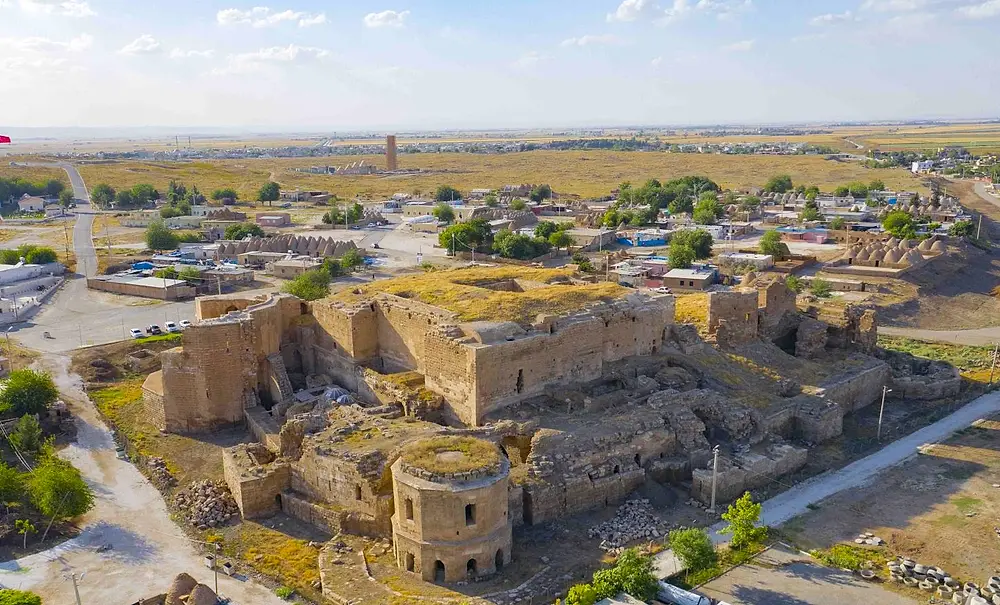
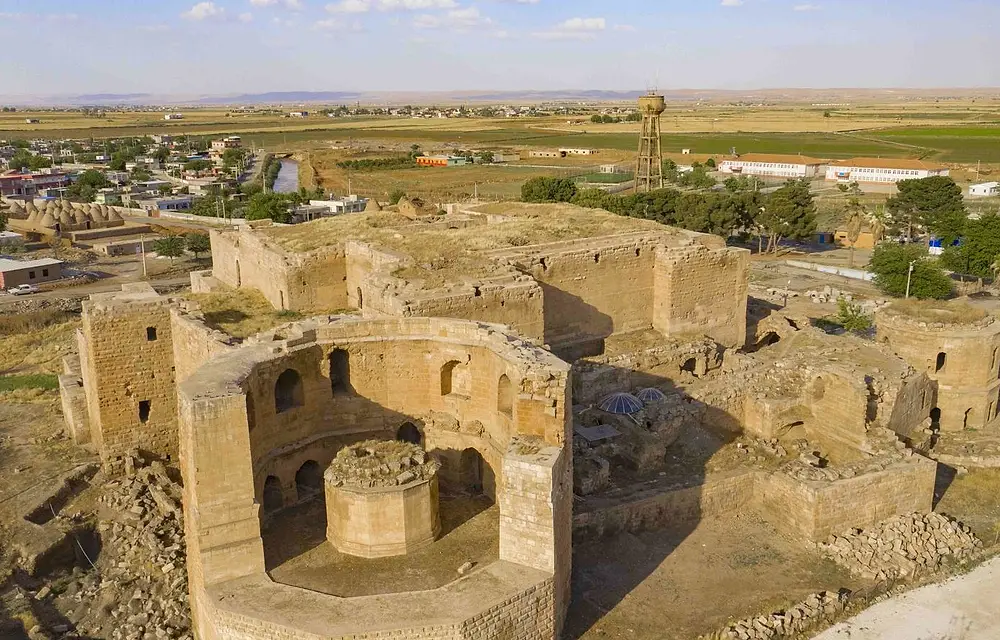
The ancient city of Harran, south of Şanlıurfa, at a crossroads on the plain and linked by tradition to the prophet Abraham.
The Harran archaeological site lies in the town of Harran, about 44 kilometres south of Şanlıurfa. The city stands in the middle of the plain that shares its name, at an old crossroads of routes running south to north and east to west. The name is said to mean road in Chaldean, though another view traces it to a founder called Haran, the uncle of the prophet Abraham.
The place is traditionally identified with the Haran of the Bible. Medieval historian Ibn Shaddad wrote that Abraham lived here before travelling to Palestine, and later accounts mention a mosque and a stone bearing his name. The name itself appears in cuneiform tablets from the early second millennium BC found at Kültepe and Mari, and in tablets from Ebla.
Assyrians, Hittites, Neo-Babylonians, Medes, Persians, Hellenistic rulers, Romans, Umayyads and Abbasids all left traces here. The conical mud-brick beehive houses of the surrounding villages are an image many visitors associate with Harran.
According to the Ministry’s listing it opens at 08:30 and closes at 17:30 (last entry 17:00). Open every day.
No. This site sells no tickets. Topkapı Palace, the Basilica Cistern, Hagia Sophia and Dolmabahçe Palace are sold on our sister sites; for Harran Archaeological Site, buy at the ticket office or on the Ministry’s official e-ticket system.
Harran Archaeological Site is in Şanlıurfa, Türkiye — İbni Teymiye Mahallesi, 63510.
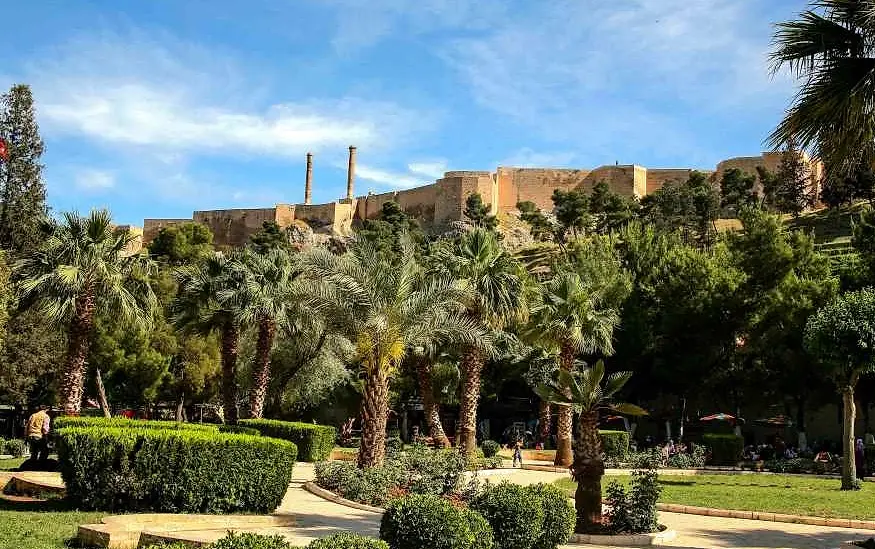
The hilltop castle above Şanlıurfa, thought to be around 4,000 years old, with a legend of two columns linked to the story of Abraham; currently closed to visits.
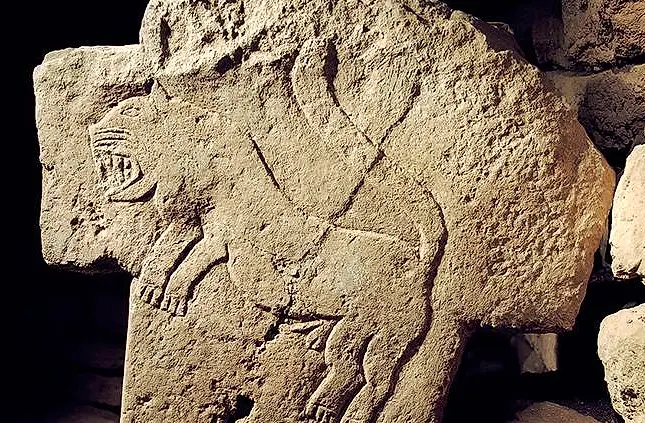
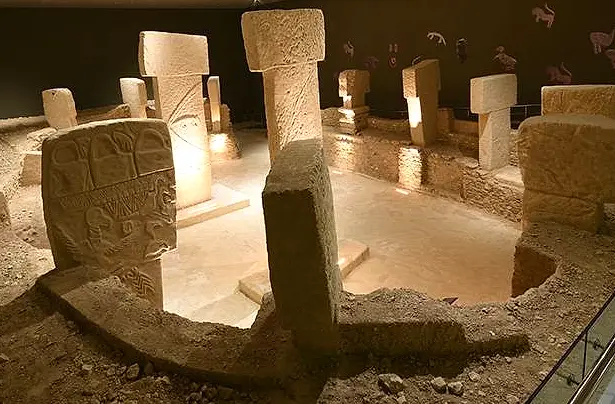
A UNESCO-listed hilltop sanctuary some 12,000 years old, widely regarded as the oldest known monumental temple complex, near Şanlıurfa.
A large modern museum holding the Balıklıgöl Man, the oldest known life-size statue, and finds from Göbeklitepe and the Harran plain.
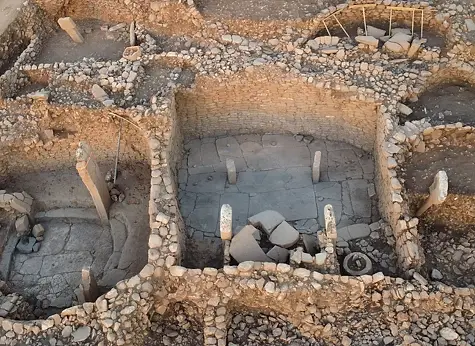
A Neolithic hilltop site in the Tek Tek Mountains near Şanlıurfa, known for T-shaped stone pillars and round buildings, contemporary with Göbeklitepe. Listed as closed.
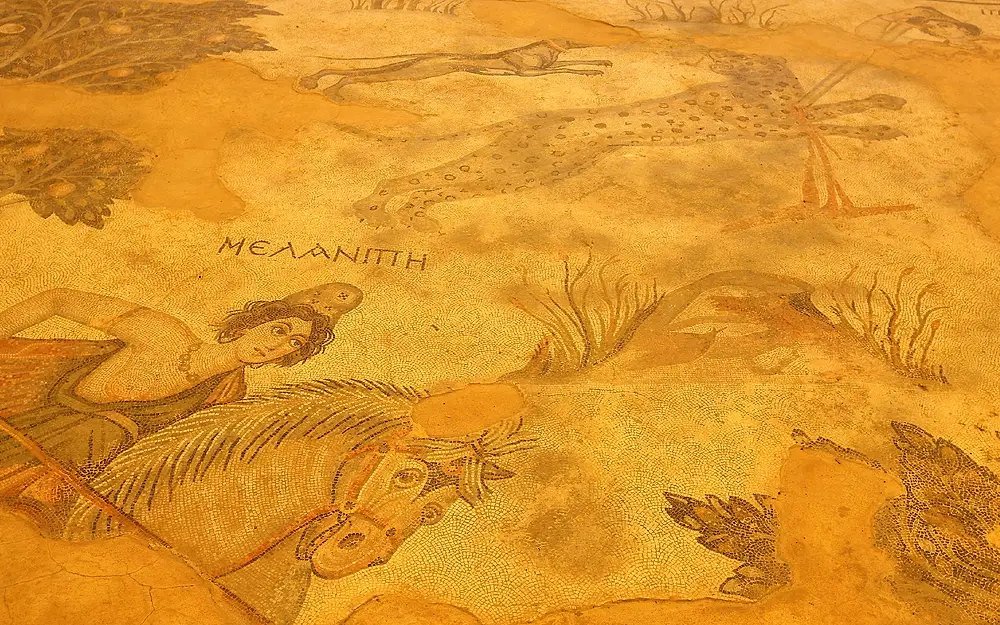
A vast column-free hall in Şanlıurfa displaying Roman-era mosaics where they were found, including the Amazons Villa and the Orpheus mosaic.
Four Istanbul landmarks, each sold on its own site by the agency behind this guide — dated entry and free cancellation up to 24 hours.
The sultans’ palace on Sarayburnu: courtyards, the Imperial Council, the treasury and the terraces over the water. Dated entry, sold online on its own site.
Justinian’s great underground reservoir: 336 columns in still water and the two Medusa heads. Fast-track entry with a digital audio guide.
Justinian’s cathedral, the sultans’ mosque and a working mosque again today. The ticket admits you to the upper visitor gallery.
A nineteenth-century palace on the water’s edge: the Selamlık, the Ceremonial Hall under its chandelier, the crystal staircase and the Harem.


