
Topkapı Palace
The sultans’ palace on Sarayburnu: courtyards, the Imperial Council, the treasury and the terraces over the water. Dated entry, sold online on its own site.
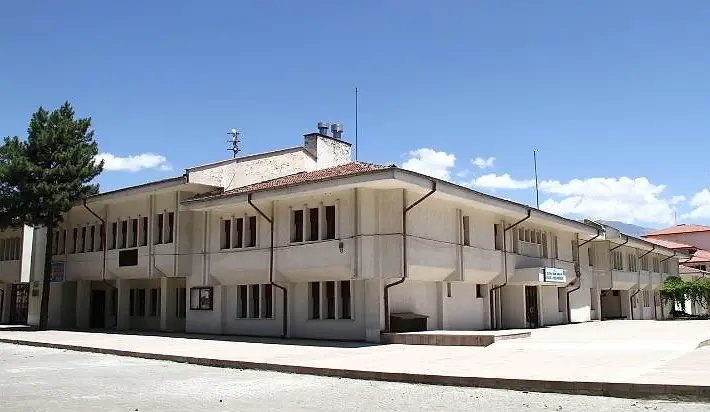
A city-centre museum tracing Erzincan's past from prehistory to the Ottoman era, with archaeology, ethnography and coin sections.
Erzincan Museum sits in the centre of the city and presents the layered history of the region, from prehistoric times to the Ottoman period. It is a good first stop for anyone who wants to understand what this crossroads of eastern Anatolia has seen.
The archaeology section brings together objects from the Chalcolithic and Bronze Ages, the Urartian kingdom, and the Roman and Byzantine periods. Look for pottery, small figurines, jewellery and seals, along with tools and objects of daily life.
The ethnography section shows how people in and around Erzincan lived: regional clothing, carpets and kilims, copper kitchenware, weapons and handicrafts. A further section gathers coins from different eras, ornaments and small finds recovered in excavations.
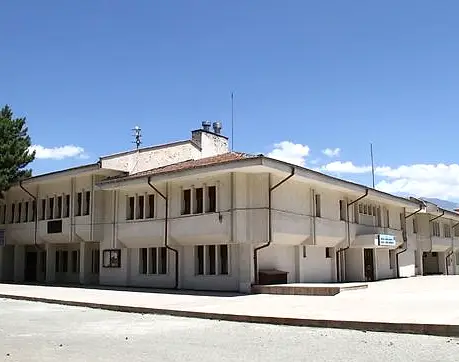
According to the Ministry’s listing it opens at 10:00 and closes at 16:00 (last entry 15:30). Closed: Monday.
No. This site sells no tickets. Topkapı Palace, the Basilica Cistern, Hagia Sophia and Dolmabahçe Palace are sold on our sister sites; for Erzincan Museum, buy at the ticket office or on the Ministry’s official e-ticket system.
Erzincan Museum is in Erzincan, Türkiye — Atatürk Mahallesi Barış Manço Parkı içi 75. yıl Kültür Kompleksi.
Four Istanbul landmarks, each sold on its own site by the agency behind this guide — dated entry and free cancellation up to 24 hours.
The sultans’ palace on Sarayburnu: courtyards, the Imperial Council, the treasury and the terraces over the water. Dated entry, sold online on its own site.
Justinian’s great underground reservoir: 336 columns in still water and the two Medusa heads. Fast-track entry with a digital audio guide.
Justinian’s cathedral, the sultans’ mosque and a working mosque again today. The ticket admits you to the upper visitor gallery.
A nineteenth-century palace on the water’s edge: the Selamlık, the Ceremonial Hall under its chandelier, the crystal staircase and the Harem.


