
Topkapı Palace
The sultans’ palace on Sarayburnu: courtyards, the Imperial Council, the treasury and the terraces over the water. Dated entry, sold online on its own site.
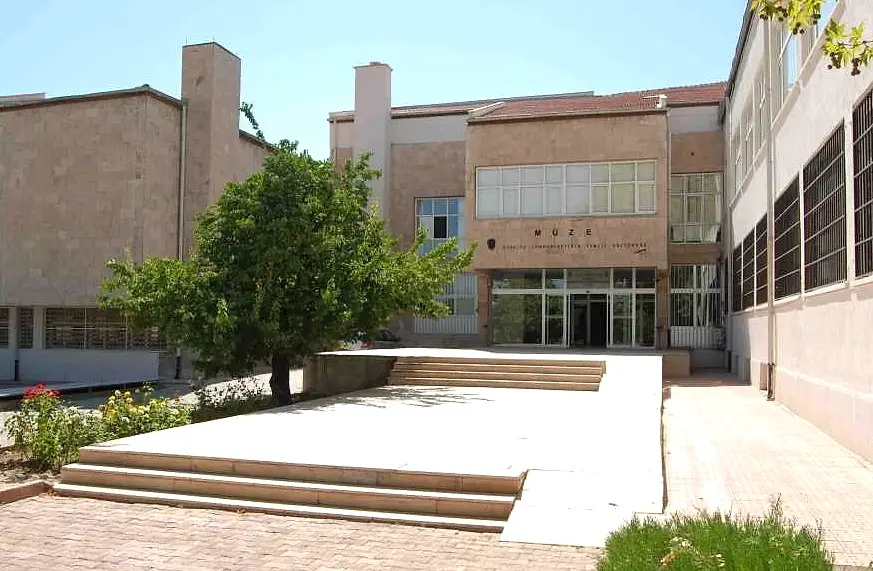
Elazığ's archaeology and ethnography museum, born in Harput in 1965 to show finds from the Keban and Karakaya dam rescue excavations.
On September 30, 2026 the Ministry’s listing showed this museum as closed to visitors. Check the official page before planning a visit.
Elazığ Museum was founded on 30 April 1965 as the Harput Museum in the Alacalı Mosque in the Harput quarter. Rescue excavations for the Keban Dam, and later the Karakaya Dam between 1980 and 1988, brought many finds to light and made a better exhibition space necessary.
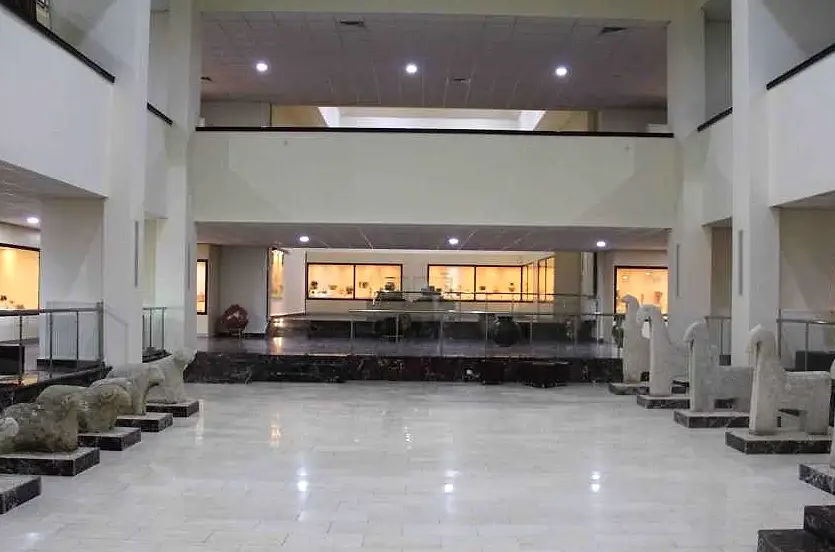
For that reason, construction of a new building began in 1971 on the engineering campus of Fırat University. The museum opened there on 28 July 1982 as the Elazığ Archaeology and Ethnography Museum, and its collection preserves archaeological material and traditional local heritage from the Upper Euphrates region.
According to the Ministry’s listing it opens at 00:00 and closes at 00:00.
No. This site sells no tickets. Topkapı Palace, the Basilica Cistern, Hagia Sophia and Dolmabahçe Palace are sold on our sister sites; for Elazığ Museum, buy at the ticket office or on the Ministry’s official e-ticket system.
Elazığ Museum is in Elâzığ, Türkiye — Zübeyde Hanım Caddesi,Çaydaçıra Kavşağı, 23119.
Four Istanbul landmarks, each sold on its own site by the agency behind this guide — dated entry and free cancellation up to 24 hours.
The sultans’ palace on Sarayburnu: courtyards, the Imperial Council, the treasury and the terraces over the water. Dated entry, sold online on its own site.
Justinian’s great underground reservoir: 336 columns in still water and the two Medusa heads. Fast-track entry with a digital audio guide.
Justinian’s cathedral, the sultans’ mosque and a working mosque again today. The ticket admits you to the upper visitor gallery.
A nineteenth-century palace on the water’s edge: the Selamlık, the Ceremonial Hall under its chandelier, the crystal staircase and the Harem.


