
Topkapı Palace
The sultans’ palace on Sarayburnu: courtyards, the Imperial Council, the treasury and the terraces over the water. Dated entry, sold online on its own site.
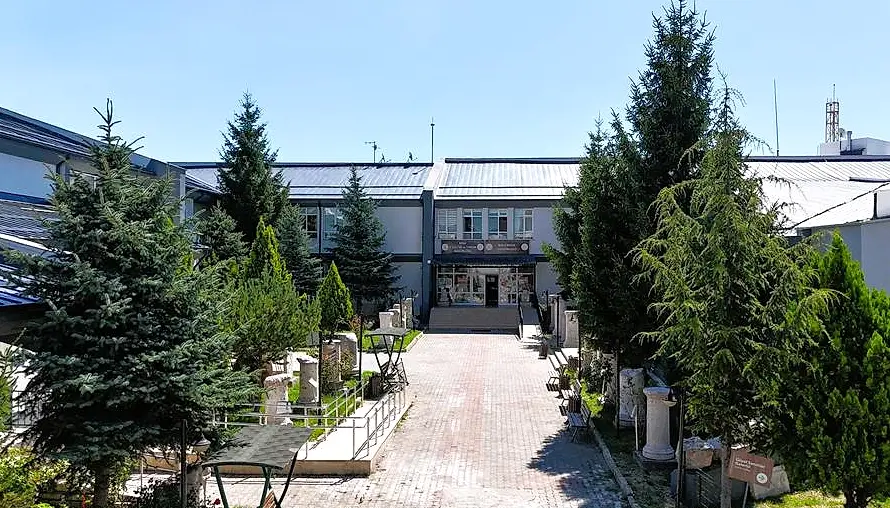
A regional museum with Roman statues, coins and grave finds from Bolu's long past, plus an ethnography hall and a garden of sarcophagi and stelae.
Bolu sits on an old route between Ankara and Istanbul, and human settlement here goes back to the Chalcolithic period, some 5,500 years BC. Phrygians, Lydians, Persians, the kingdom of Bithynia, the Romans and the Ottomans all left traces, and the museum gathers them. It was set up in 1976 to protect the finds of the region and opened to visitors in 1981.
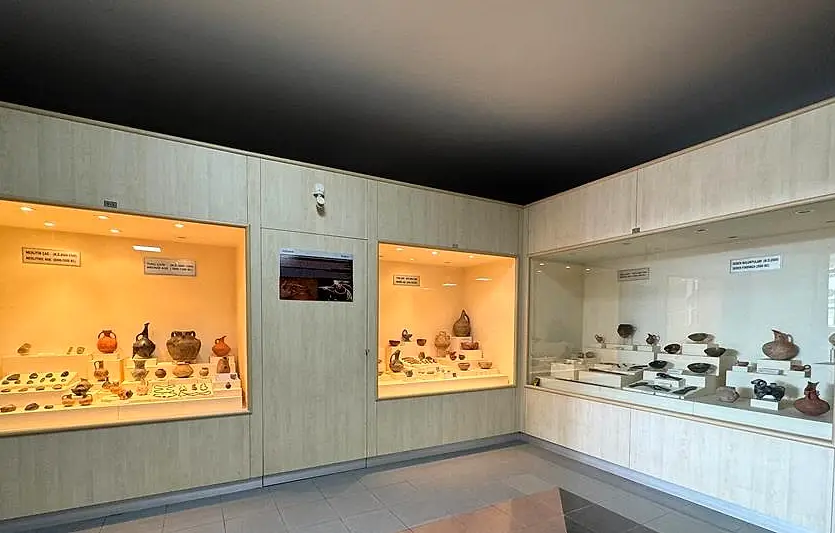
Its archaeology hall shows marble, glass and ceramic works from the Neolithic to the Byzantine period. Roman pieces are the highlight: a statue of Heracles, a female head, a bust of Hermes, a statue of a nymph and a gladiator's tomb stele. A brick tomb with a skeleton and burial gifts is also exhibited. Coins come from Greek cities, the Roman and Byzantine empires and Islamic states such as the Umayyads, the Artuqids, the Seljuks, the Ilkhanids and the Ottomans.
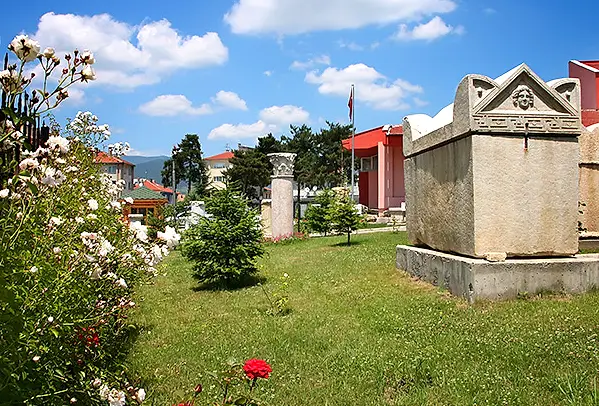
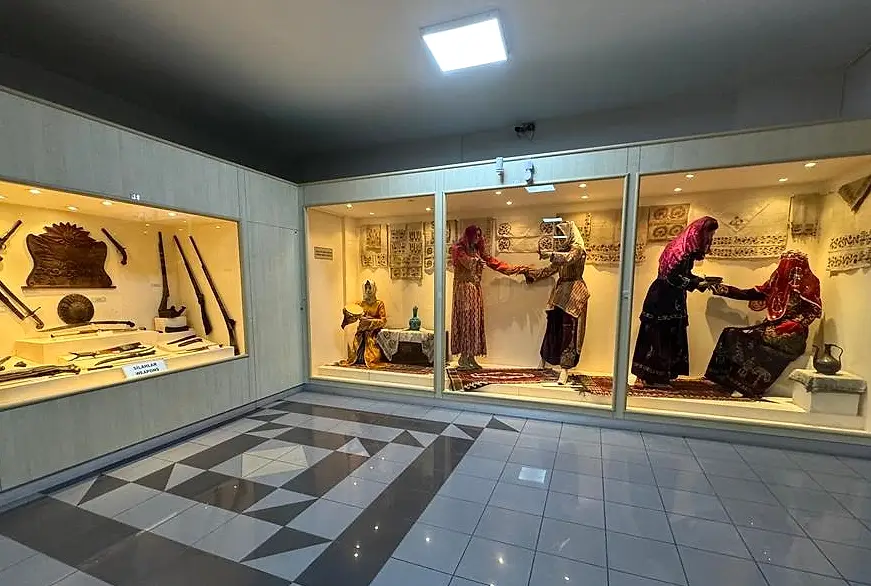
The second section is an ethnography hall on local life. The garden displays sarcophagi, stelae, columns and capitals, friezes and other Roman architectural pieces, Byzantine baptismal vessels and Ottoman inscribed tombstones.
According to the Ministry’s listing it opens at 08:30 and closes at 17:30 (last entry 17:00). Open every day.
No. This site sells no tickets. Topkapı Palace, the Basilica Cistern, Hagia Sophia and Dolmabahçe Palace are sold on our sister sites; for Bolu Museum, buy at the ticket office or on the Ministry’s official e-ticket system.
Bolu Museum is in Bolu, Türkiye — Karamanlı Mahallesi, Stadyum Caddesi, Kültür Sitesi.
Four Istanbul landmarks, each sold on its own site by the agency behind this guide — dated entry and free cancellation up to 24 hours.
The sultans’ palace on Sarayburnu: courtyards, the Imperial Council, the treasury and the terraces over the water. Dated entry, sold online on its own site.
Justinian’s great underground reservoir: 336 columns in still water and the two Medusa heads. Fast-track entry with a digital audio guide.
Justinian’s cathedral, the sultans’ mosque and a working mosque again today. The ticket admits you to the upper visitor gallery.
A nineteenth-century palace on the water’s edge: the Selamlık, the Ceremonial Hall under its chandelier, the crystal staircase and the Harem.


