
Topkapı Palace
The sultans’ palace on Sarayburnu: courtyards, the Imperial Council, the treasury and the terraces over the water. Dated entry, sold online on its own site.
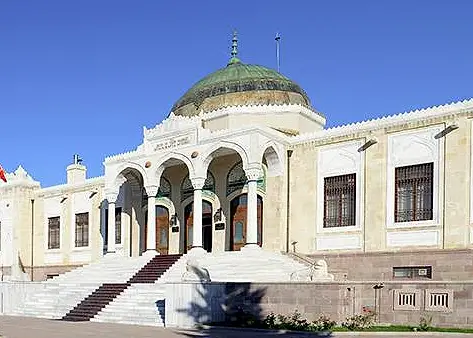
A landmark of the early Republic, this Ankara museum was built as a national project and once served as Atatürk's temporary resting place.
The Ankara Ethnography Museum is one of the founding projects of the Turkish Republic. Newly formed nations tend to build museums that gather and display their own material and spiritual heritage, giving it a national identity, and this museum grew out of exactly that idea. It was designed by architect Arif Hikmet Koyunoğlu, with the contractor Nafiz Kotan and the marble master Hüseyin Avni Efendi, and the bronze relief moulds on the dome were cast by Hakkı Usta.
Construction began in 1925 and finished in 1926. Hamit Zübeyir Koşay was appointed director on 1 June 1927, a date counted as the museum's founding. After a hurried preparation, the museum first received Afghan King Amanullah Khan on 27 May 1928, and opened to the public on 18 July 1930.
Its most moving space is the mausoleum area in the entrance hall. From 21 November 1938 to 10 November 1953 it served as Atatürk's temporary tomb for fifteen years, and museum work stopped during that time. Today the hall stands as a quiet memorial within a museum devoted to Turkey's ethnographic heritage.
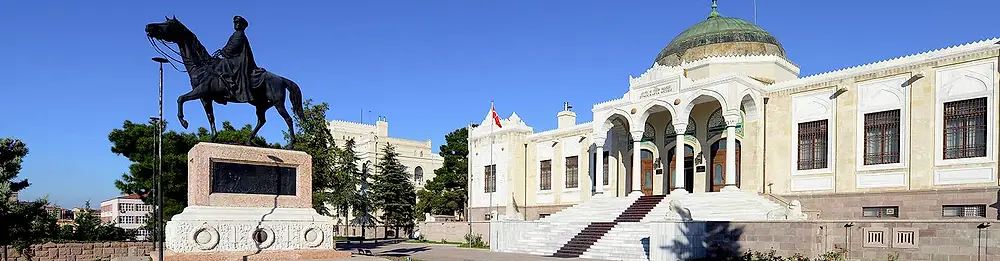
According to the Ministry’s listing it opens at 08:30 and closes at 19:00 (last entry 18:30). Open every day.
No. This site sells no tickets. Topkapı Palace, the Basilica Cistern, Hagia Sophia and Dolmabahçe Palace are sold on our sister sites; for Ankara Ethnography Museum, buy at the ticket office or on the Ministry’s official e-ticket system.
Ankara Ethnography Museum is in Ankara, Türkiye — Hacettepe Mahallesi Türkocağı sokak No:4 Opera/ANKARA.
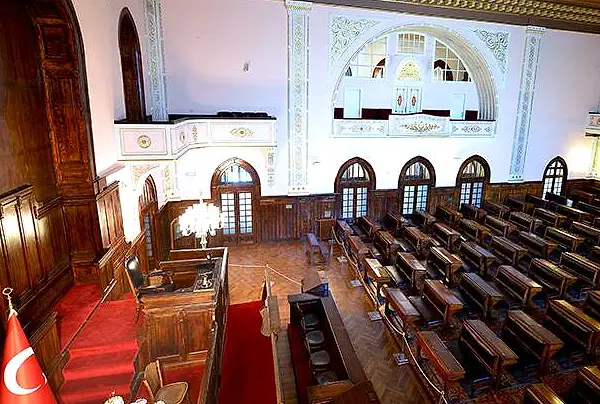
The building where the second Turkish parliament sat from 1924, now a child-friendly museum of early Republican politics, with Atatürk's own belongings.
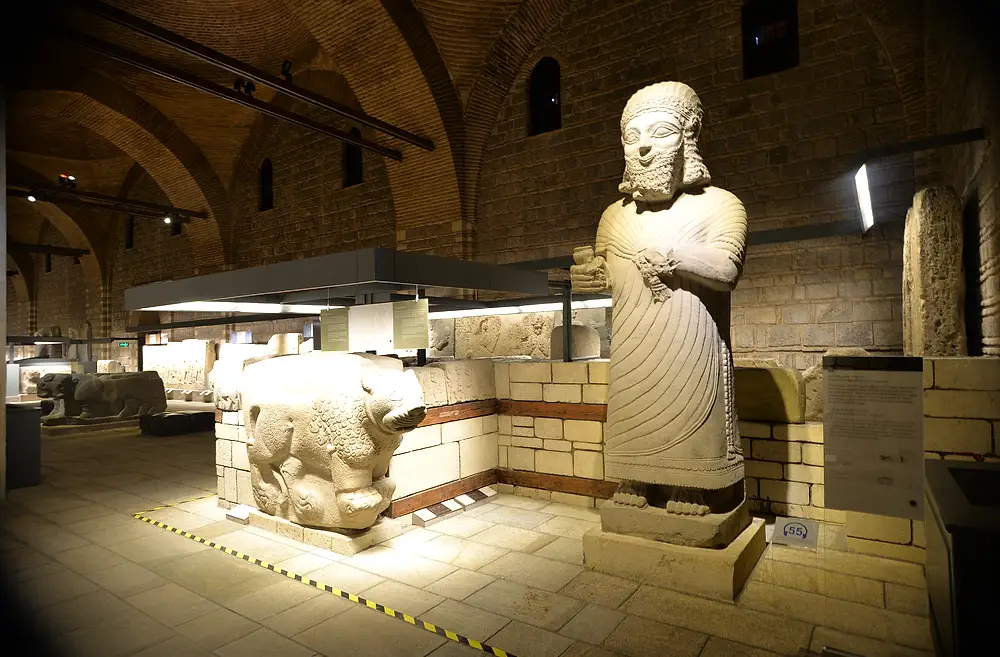
Ankara's celebrated museum in two restored Ottoman buildings, tracing Anatolia from the Paleolithic to the Phrygians, with virtual tours and Göbeklitepe replicas.
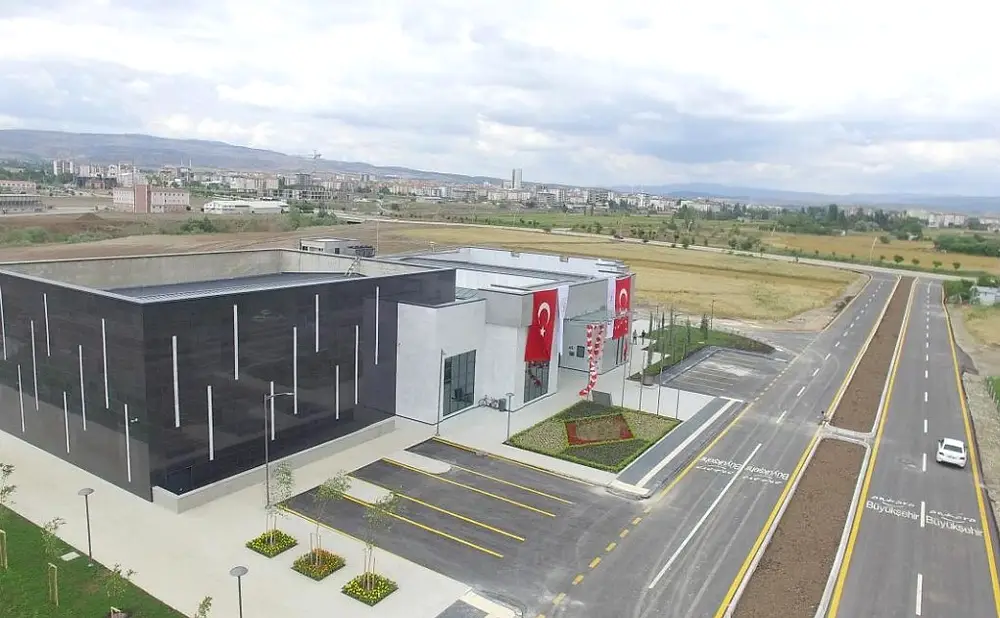
A modern museum in Ankara's Kahramankazan district remembering those who died on 15 July 2016, with personal belongings, poems and objects from the night of the coup attempt.
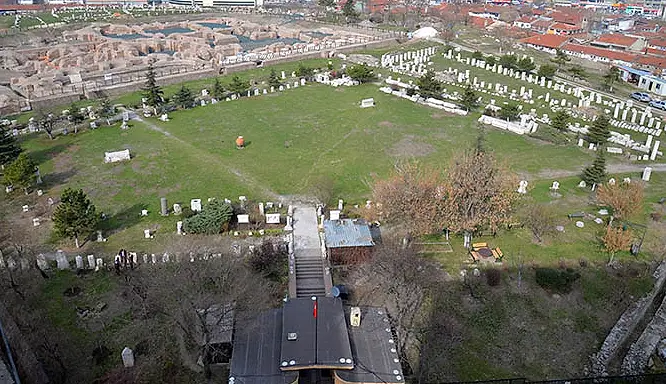
A museum at Yassıhöyük near ancient Gordion, capital of the Phrygian kings, with a chronological display from the Bronze Age to the Roman period.
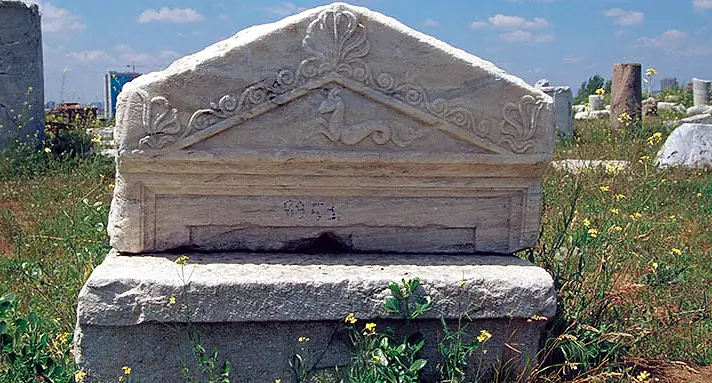
The remains of a large bathing complex built under Emperor Caracalla in central Ankara, arranged as an open-air museum with inscribed stones and a columned road.
Four Istanbul landmarks, each sold on its own site by the agency behind this guide — dated entry and free cancellation up to 24 hours.
The sultans’ palace on Sarayburnu: courtyards, the Imperial Council, the treasury and the terraces over the water. Dated entry, sold online on its own site.
Justinian’s great underground reservoir: 336 columns in still water and the two Medusa heads. Fast-track entry with a digital audio guide.
Justinian’s cathedral, the sultans’ mosque and a working mosque again today. The ticket admits you to the upper visitor gallery.
A nineteenth-century palace on the water’s edge: the Selamlık, the Ceremonial Hall under its chandelier, the crystal staircase and the Harem.


